
Navigating Unwritten Rules and Unspoken Norms
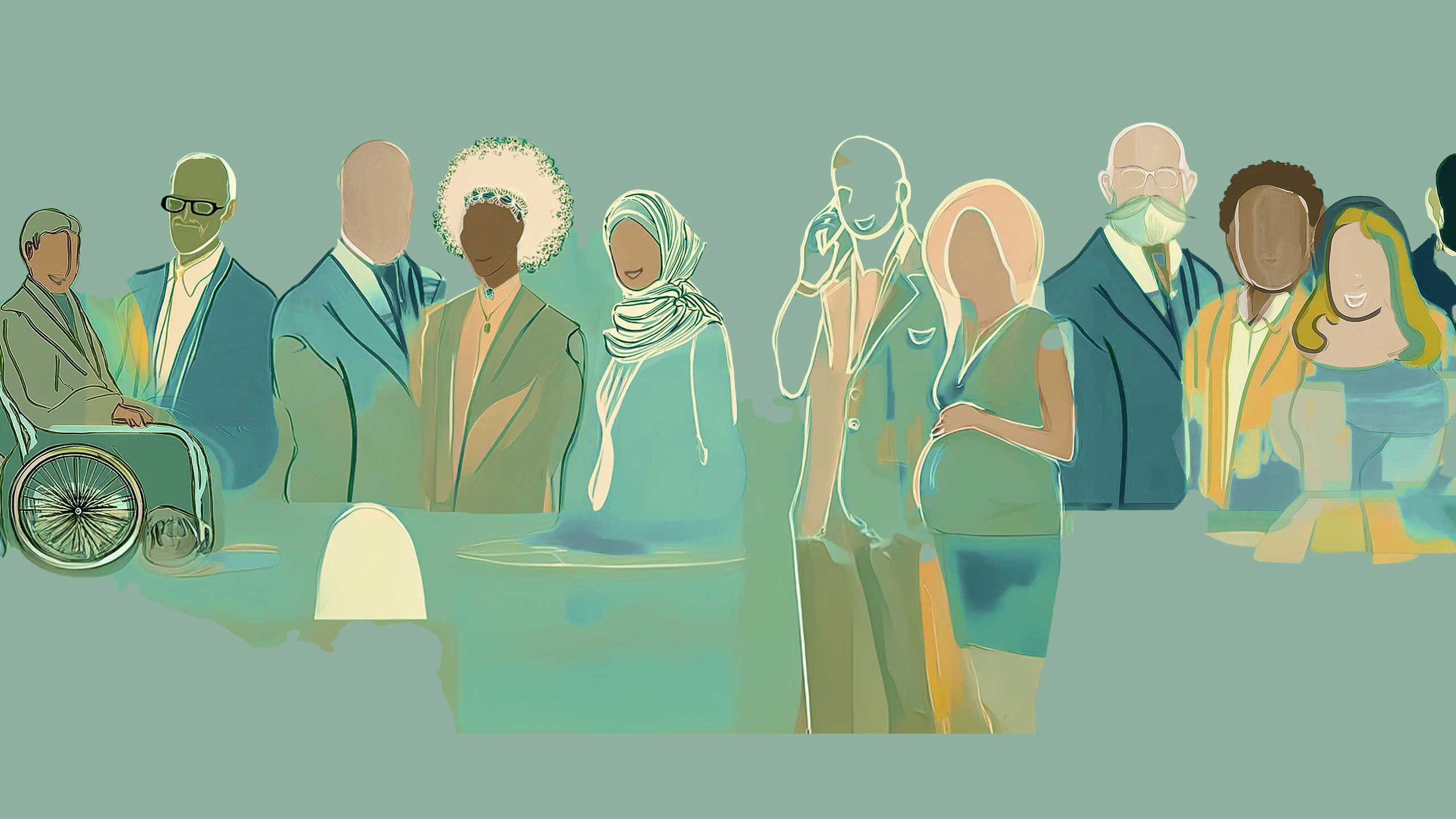

Unwritten rules at the workplace, often referred to as the organisation's "hidden culture," shape in part the dynamics and overall atmosphere of the work environment.
They can be norms and expectations that are not formally documented but are implicitly understood and followed by employees.
Grasping and navigating these unwritten rules are essential for both new and existing members of an organization, as they significantly impact personal success and the overall health of the organization’s culture.
Let's have a look at some key aspects of these rules.
"True diversity and inclusion in a company culture are like underground rivers, flowing quietly beneath the surface.
It's in acknowledging and nurturing these hidden currents that we unearth the richness of perspectives and experiences, creating an environment where everyone can thrive."
Have you ever considered the unwritten rules that quietly influence how things get done in your organization?
I invite you to reflect on the unwritten rules that shape daily business in your professional environment.
- Consider prevailing beliefs, attitudes, and behaviors that are simply ‘typical for us’.
- A great way to gain insight is by asking relatively new colleagues what stood out to them in terms of structures, processes, interactions, or expectations during their first weeks on the job.
Approach this reflection with an open mind—there’s no organization without unwritten rules, and many of them contribute to employee cohesion and a sense of belonging.
Just like personal habits, some unwritten rules are helpful and growth-oriented, while others may be limiting.
You can record your thoughts and insights on this topic in your Growth Journal.


Surpassing The Hidden Playbook







Unwritten rules can be frustrating for new hires and become significant obstacles for individuals who deviate from the - partly unspoken - norms.
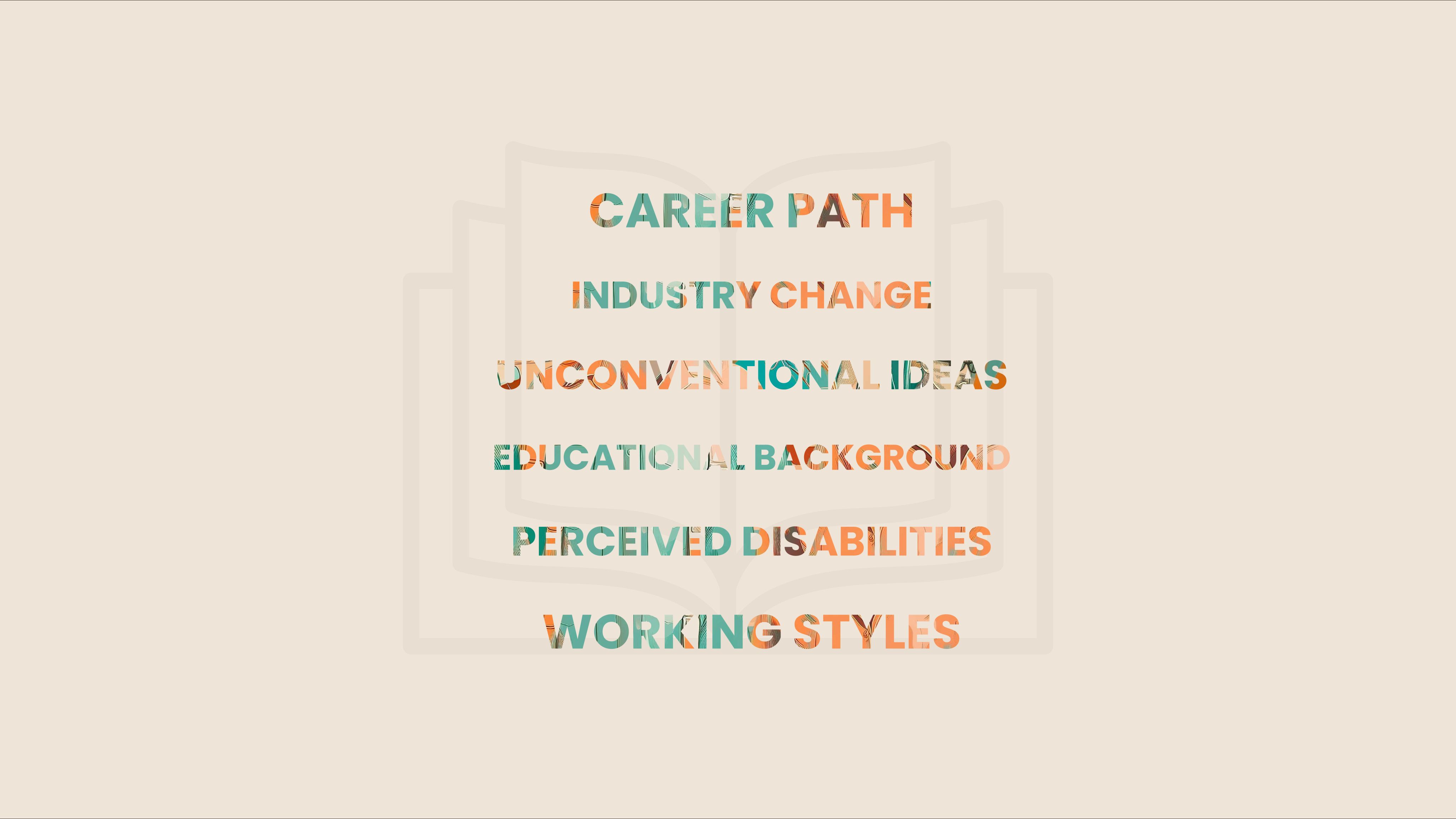
Attributes such as an untypical career path, an industry switch, unconventional ideas, an unusual educational background, perceived disabilities, or a different working style, may trigger cognitive biases.
Fostering a Diversity Mindset inherently involves challenging and expanding the comfort zones of both the organization and its members.
Making unwritten rules visible and questioning norms is essential to fostering a more inclusive workplace and driving transformative cultural change.
Let’s explore three powerful ways that any employee — including you — can make a meaningful difference.
1. Highlighting your own uniqueness and individuality
Diversity is an undeniable fact – each human being is unique.
Heterogeneity is an asset for organizations. Therefore, your own uniqueness is a treasure for the teams and colleagues you work with.
-> Share your perspectives, and thoughtfully question the status quo to foster inclusion and openness. Balancing respect for unwritten rules with constructive challenges is key, as being too forceful may create resistance.
You have the ability to bring attention to the organization’s limitations and inspire meaningful change.
2. Being a Role Model for Your Peers
Some diversity traits are often missing or overlooked in leadership and high-profile roles.
Relatable examples help underrepresented individuals envision themselves in these roles.
The concept of 'role models', introduced by sociologist Robert King Merton, defined a role model as someone whose behavior, example, or success serves as an inspiration for others.
If you identify as a member of an underrepresented group and are willing to share your personal story to inspire, encourage and support your peers...
...Awesome!
You already behave as a role model!
Enhance your impact as a role model by applying two main strategies:
3. Creating an Employee Resource Group (ERG)
ERGs are initiated and composed of individuals who share a common trait of diversity.
ERG members act beyond their primary job functions to advocate for the interests of their peers within the organization.
ERGs typically focus on communities such as LGBTQIA+, women, ethnic minorities, and people with disabilities. However, they are not limited to these groups, and their focus can vary.
Establishing an Employee Resource Group is not just about forming a new initiative — it’s about creating a sustainable, purposeful force for connection, inclusion, and change.
How to implement and establish an ERG
Wondering how to bring an Employee Resource Group (ERG) to life in your organization — or give an existing one new energy and direction?
This step-by-step guide offers a practical, thoughtful approach to help you build an ERG that’s inclusive, connected, and set up for long-term impact.
A Call to Action!
Reflection Prompt
Identifying, navigating, and—when necessary—questioning unwritten rules can be difficult.
- Reflect on your professional environment: What constructive approaches can you take to address unwritten rules that you perceive as limiting?
- How might ERGs or individuals from underrepresented groups help you recognize and understand unspoken norms you may not be aware of?
- What specific actions would you like them to take to support you and your colleagues in fostering a more inclusive team culture?
You can record your thoughts and insights on this topic in your Growth Journal.